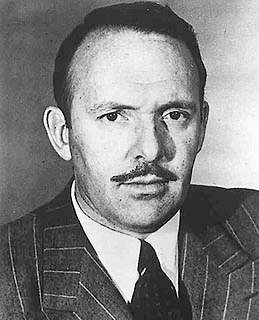
Born in Wilmington, North Carolina, Robert Ruark moved to DC in 1936 to pursue a career in journalism. He worked for The Washington Daily News and after World War II as a columnist for the Scripps-Howard Newspaper Alliance. Eventually he moved toward fiction and was known for his Ernest Hemingway-inspired novels of hunting and safaris. His stories and […]
Archives
William Douglas O’Connor
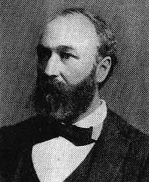
William Douglas O’Connor and his wife Ellen Tarr O’Connor lived in DC beginning in 1861, and at this address from 1870 to 1889. O’Connor is the author of one novel, Harrington: A Story of True Love (1860) and the nonfiction pamphlet The Good Gray Poet: A Vindication (1866), defending the reputation of Walt Whitman. His uncollected short fiction appeared in […]
Alain Locke
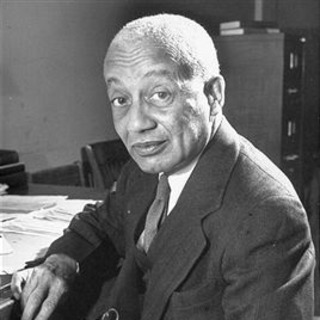
The Harlem Renaissance arguably began with the 1925 publication of The New Negro, an anthology edited by Alain Locke. Arnold Rampersad calls The New Negro the Harlem Renaissance’s “definitive text, its bible.” Containing poems, fiction, drama, and music, this book helped define a critical cultural movement. A Harvard graduate and the first Black recipient of […]
Zora Neale Hurston
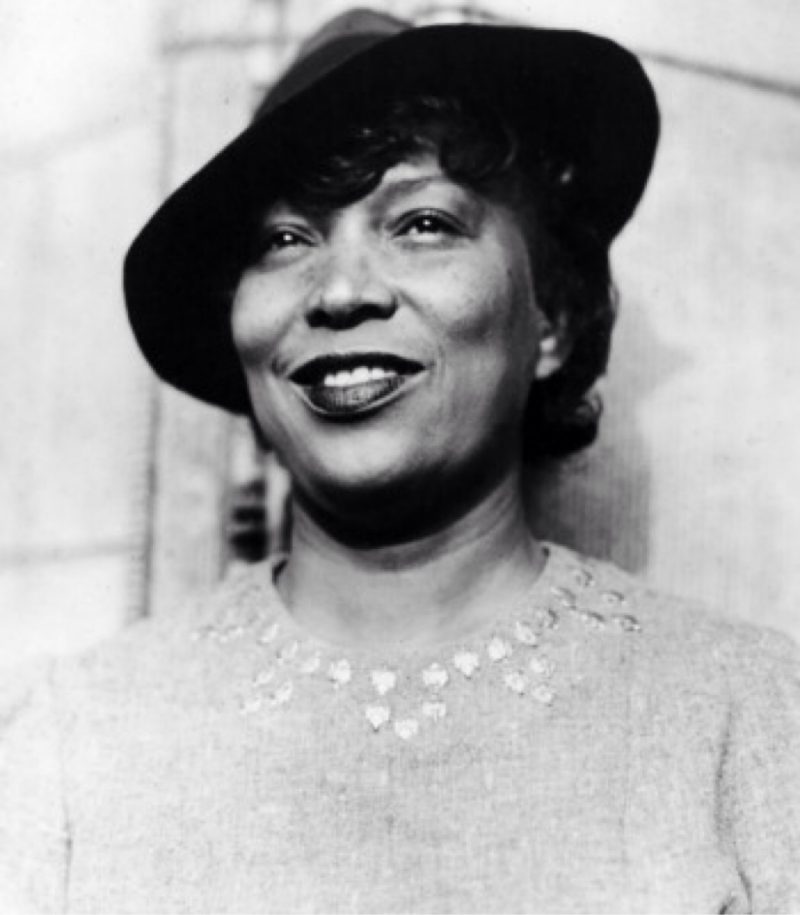
A novelist, short story writer, anthropologist, and folklorist, Zora Neale Hurston is the author of four novels, Jonah’s Gourd Vine (1934), Their Eyes Were Watching God (1937), Moses, Man of the Mountain (1939), and Seraph on the Suwanee (1948). She also published nonfiction, including two books of folklore, Mules and Men (1935) and Tell My Horse (1938), and the memoir Dust Tracks on a Road (1942). Ironically, her last […]
Tim Dlugos
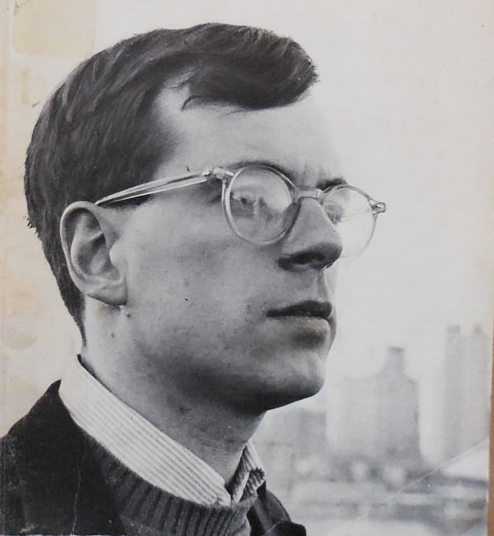
Tim Dlugos is the author of ten books of poems, including two posthumous collections, both edited by David Trinidad: Powerless (1996) and A Fast Life: The Collected Poems of Tim Dlugos (2011). Dlugos was raised in Arlington, Virginia, worked for Ralph Nader‘s Public Citizen, and was active in the Mass Transit Poetry Reading Series. In the late 1970s, he moved to […]
William Waring Cuney
William Waring Cuney, a Harlem Renaissance-era author and musician, is the author of two books of poems, collected late in his career: Puzzles (1960), and Storefront Church (1973). He was included in the landmark anthologies Caroling Dusk (1927) and Book of Negro Poetry (1931), and tied for first place in the 1926 Opportunity Literary Contest in poetry. Born and raised in DC, Cuney lived in […]
Frank Carpenter
Frank Carpenter was a journalist and photographer who came to DC as the correspondent for the Cleveland Leader newspaper in 1882. His columns (written from 1882 to 1888) were collected into the book Carp’s Washington (published posthumously in 1960, and edited by his daughter Frances Carpenter). They are considered an invaluable resource on the early development and growth of the city. […]
Ellen Tarr O’Connor Calder
Ellen Tarr O’Connor worked as a journalist. As a young woman, she worked as a mill-hand in Lowell, Massachusetts, an experience that radicalized her. She became a feminist, socialist, vegetarian, and dress reform advocate. She moved to DC to work as a governess in the home of abolitionist Gamaliel Bailey, and began writing for his newspaper, […]
Ambrose Bierce
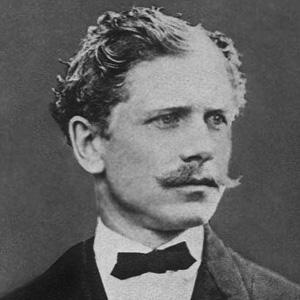
Journalist, poet, short story writer and satirist, Ambrose Bierce lived in DC from 1899 through 1913, renting at four different addresses. While in Washington, Bierce completed his Devil’s Dictionary (1911) and his word usage compendium Write it Right (1909). Bierce served in the Union army during the Civil War, then began his career as a journalist. He is perhaps […]
Pearl Bailey
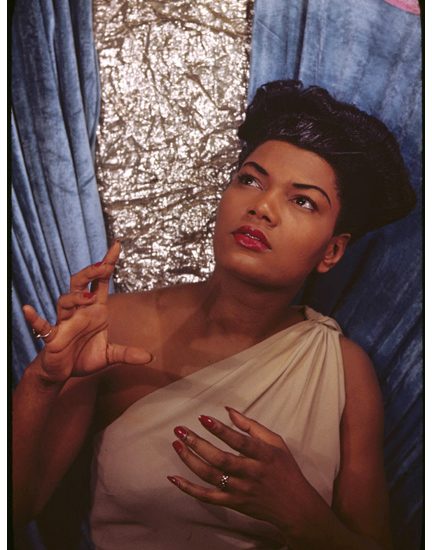
Pearl Bailey was born in Virginia and spent her childhood in Washington, DC. She first lived in the city as a child in the 1930s, first in an apartment on Florida Avenue and then on Irving Street. She returned to DC in her late 60s to study theology at Georgetown University, earning a BA degree […]